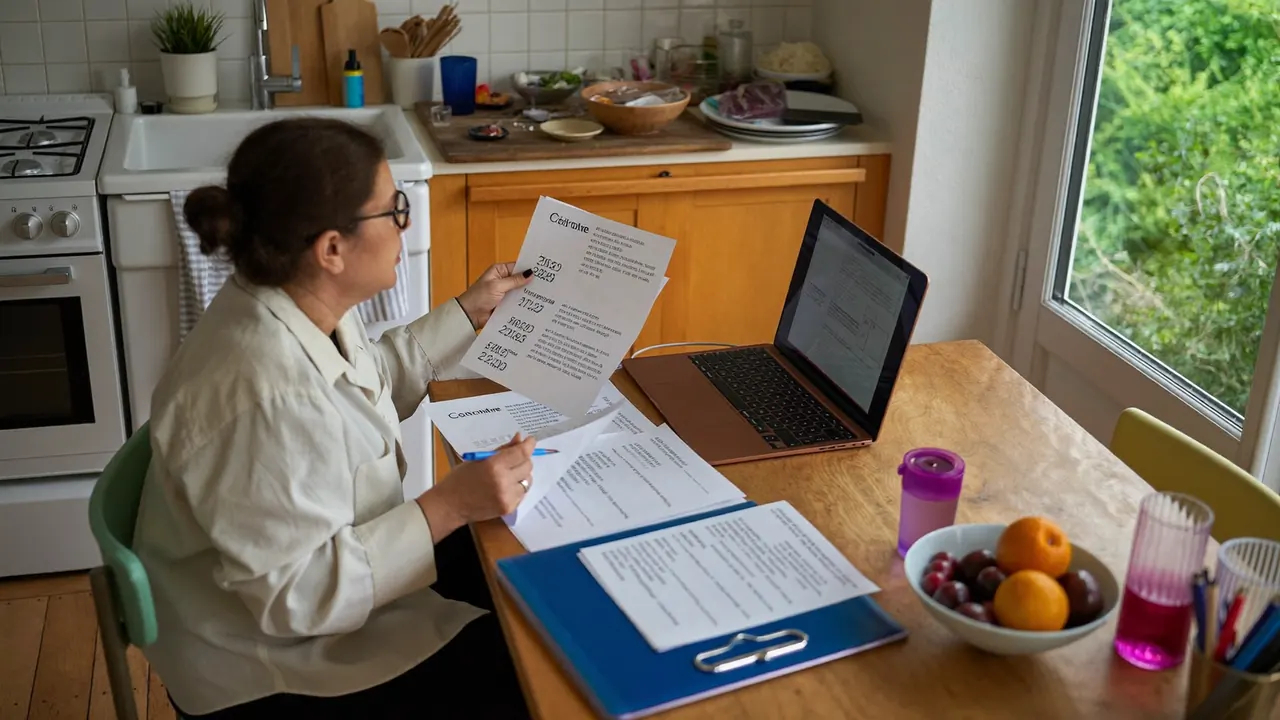
The window industry has a long tail of one-van outfits and hard-sell operators, so a little diligence goes a long way. Work through the checks below before you sign anything, and you'll dramatically cut the risk of a poor fit, a voided guarantee or an installer that has vanished when you need them.
1. Check accreditation and registration
Replacement windows must comply with Building Regulations. The simplest proof is a FENSA or CERTASS registration, which lets the installer self-certify the work and register your certificate — you'll need it when you sell. Membership of the Glass and Glazing Federation is a further sign the company works to an agreed code of practice.
2. Insist on the right standards
A reputable company quotes windows that meet recognised standards without being asked: PAS 24 for security, a strong Window Energy Rating and a whole-window U-value that beats the current Building Regulations limit. If a salesperson can't tell you the specification, that is a red flag. Our best window materials hub explains what good looks like for each frame type.
Prefer to start with a vetted installer?
We match your enquiry with a top-rated installation partner so you skip the cold-calling and compare on merit.
Get matched with a top-rated installer →3. Weigh the reviews — and who's behind them
Independent, high-volume review platforms are far more telling than a handful of testimonials on a company's own site. When we match you, quotes come from Help 2 Buy Windows — the UK's No.1 double glazing installer on Trustpilot, which is rated 4.9/5 “Excellent” from more than 12,000 verified reviews. That rating is attributed to Trustpilot and to our installation partner, not a claim we make about ourselves — you can read the reviews yourself before deciding.
4. Compare quotes like for like
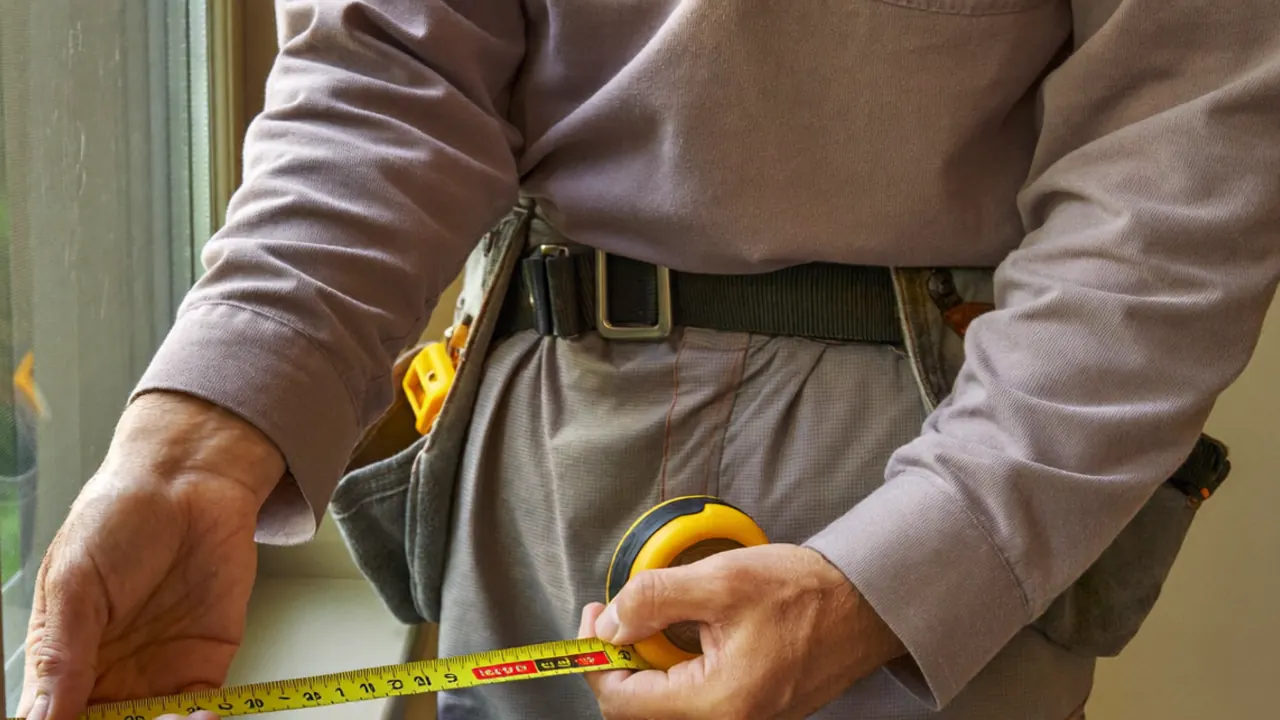
Get three written quotes and make sure each specifies the same frame system, glass unit, hardware and any making-good — our guide to the best uPVC windows shows what a proper specification should include. A cheap number often hides thinner reinforcement or a lower-spec glass unit. If your frames are only tired rather than failed, it's also worth asking repair or replace first? — sometimes a repair is the smarter spend.
5. Read the guarantee and the payment terms
Look for a written product and installation guarantee — around ten years is typical — ideally with an insurance-backed guarantee that survives if the firm stops trading. Avoid anyone demanding a large upfront payment or a discount that “expires today”. Funding and contribution options may be available, subject to eligibility and a home survey, and it is worth exploring funded glazing options alongside your quotes.
Red flags to walk away from
Same-day “today only” pricing, no FENSA or CERTASS registration, refusal to put the specification in writing, a demand for most of the money upfront, or a salesperson who won't leave until you sign. Any one of these is reason enough to pause.
Frequently asked questions
What accreditations should a double glazing company have?
Look for FENSA or CERTASS registration, which allows the installer to self-certify that your windows meet Building Regulations, plus membership of a recognised body such as the Glass and Glazing Federation. These show the company works to an accepted standard and gives you a route to redress.
How many quotes should I get for double glazing?
Three quotes is a sensible number. It's enough to spot an outlier — either suspiciously cheap or clearly overpriced — without dragging the process out. Make sure each quote covers the same specification of frame, glass and hardware so you're comparing like for like.
What guarantee should double glazing come with?
Expect a written product and installation guarantee, typically around ten years, ideally backed by an insurance-backed guarantee that still stands if the company ceases trading. Always get the terms in writing rather than relying on a verbal promise.
Is it cheaper to buy windows in a limited-time sale?
Be cautious of high-pressure discounts that expire the same day. A fair price should be a fair price whether you sign today or next week. Genuine value comes from the specification and the installer's track record, not a countdown.
Do I have to pay a large deposit upfront?
A modest deposit is normal, but you should never be pushed into paying most of the cost before any work begins. Funding and contribution options may be available, subject to eligibility and a home survey, and paying by card can add consumer protection on larger orders.
Skip the guesswork
Tell us your postcode and we'll match you with a vetted, top-rated installer for a free, no-obligation quote.
Get my quote comparison →