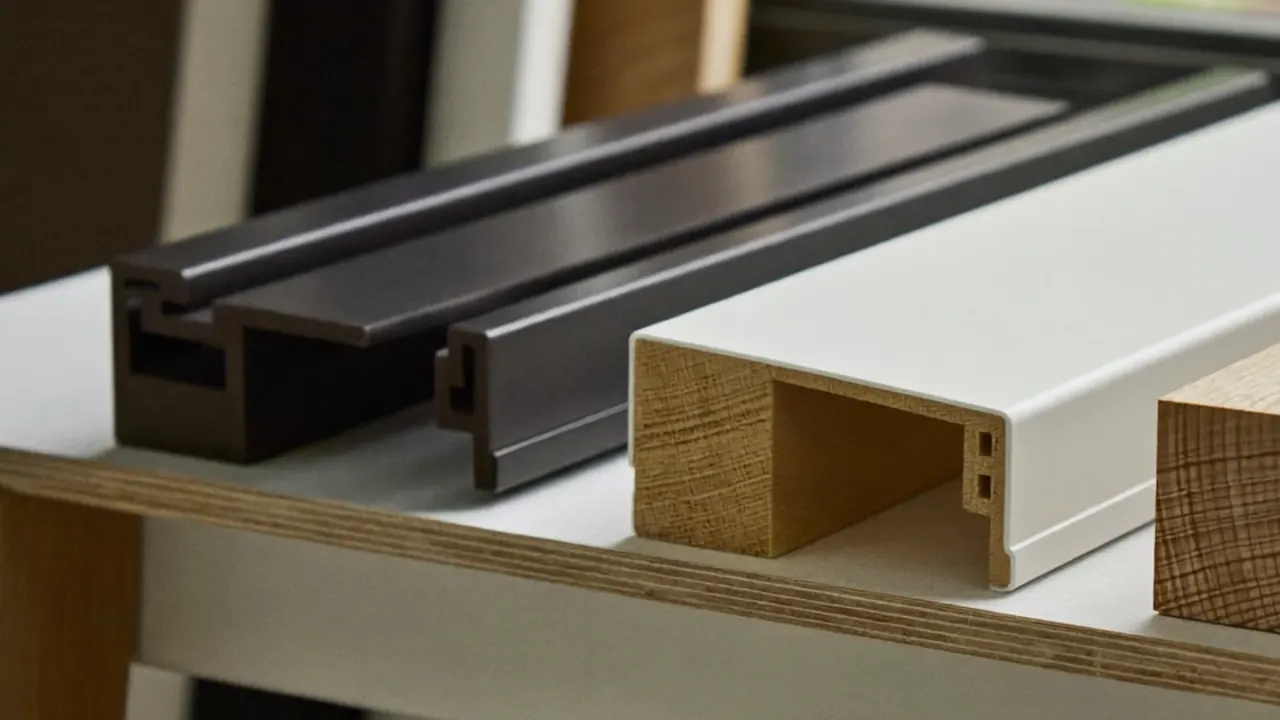
There is no single best window material — only the best fit for a given home, budget and priority. Every product on this site is judged against the same yardstick, so the ranking below reflects how each frame actually performs rather than how heavily it is advertised. Start here, then follow the verdict pages for the detail.
uPVC — the best all-rounder for value
uPVC is the most-fitted window frame in Britain for good reason: it is warm, low-maintenance and keenly priced. A well-specified multi-chamber profile with a modern glass unit comfortably meets the current Building Regulations target for replacement windows, and it needs little more than an occasional wipe to keep it performing. The trade-offs are chunkier sightlines than aluminium and a colour finish that cannot be repainted later. For most semis and terraces, uPVC is the sensible default — see our verdict on the best uPVC window profiles in the UK.
Not sure which material suits your home?
Answer two quick questions and we'll match you with a top-rated installer for free, no-obligation quotes on the materials you're weighing up.
Get matched with a top-rated installer →Aluminium — the best for slim frames and big glass
Aluminium's strength lets it hold large panes in very slim frames, so you get more glass and more light for the same opening. It is powder-coated, so it keeps its colour and shrugs off weather, and thermally broken profiles now perform far better than the cold, single-skin frames of decades past. It costs more than uPVC and warms up a fraction less, but for contemporary extensions and picture windows it is hard to beat. Our full aluminium vs uPVC windows comparison weighs the two head to head. If you are working within a conservation area, check the rules for conservation areas before you commit to a modern frame.
Timber — the best for period and conservation homes
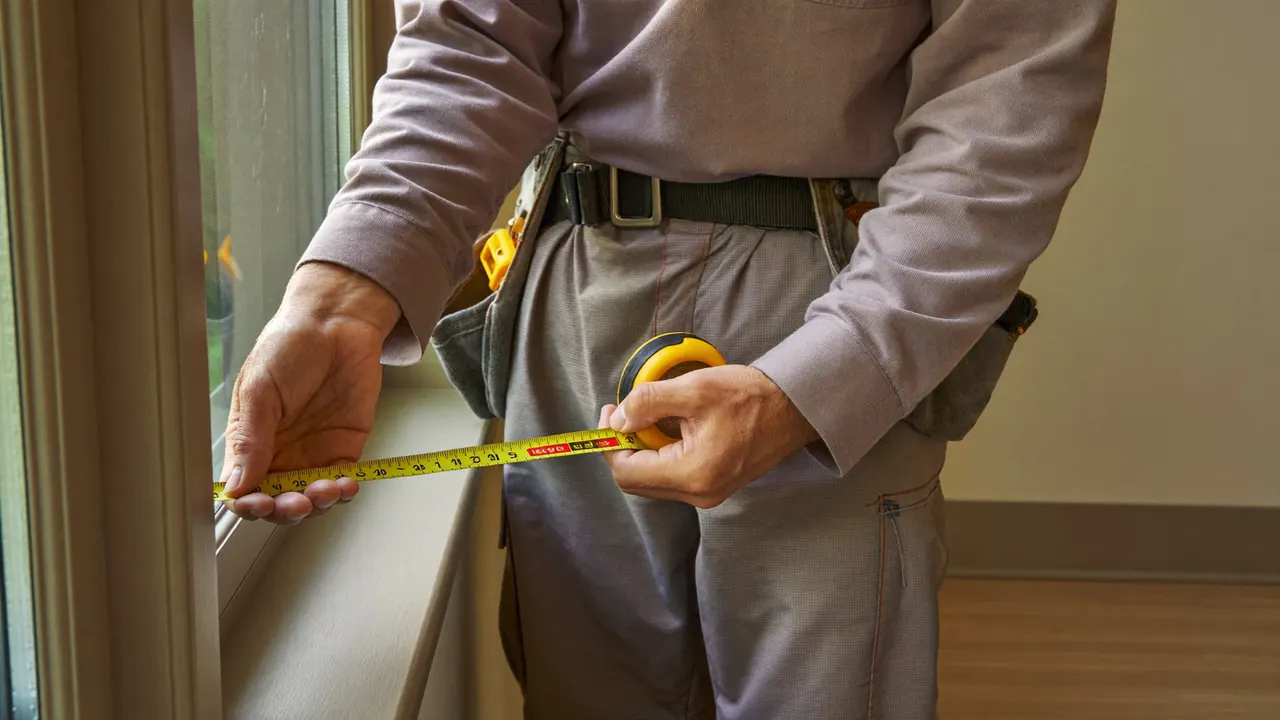
Real wood is the natural choice for period properties and heritage streets, where a factory-finished plastic frame would look wrong and may not be permitted. Modern engineered timber with a factory paint system is far more stable than the softwood of old, and — unlike uPVC — it can be repaired and repainted rather than replaced. The catch is upkeep: expect to inspect the finish and touch it up over the years. Our timber windows pros and cons guide lays out the honest case, and if your existing frames are sound it is always worth asking repair or replace first? before committing to a full replacement.
What about alu-clad timber?
A fourth option blends the two: engineered timber inside for warmth and looks, with a powder-coated aluminium skin outside to take the weather. It is the most durable of the lot and needs almost no external upkeep, but it sits at the top of the price ladder.
How to read the ranking
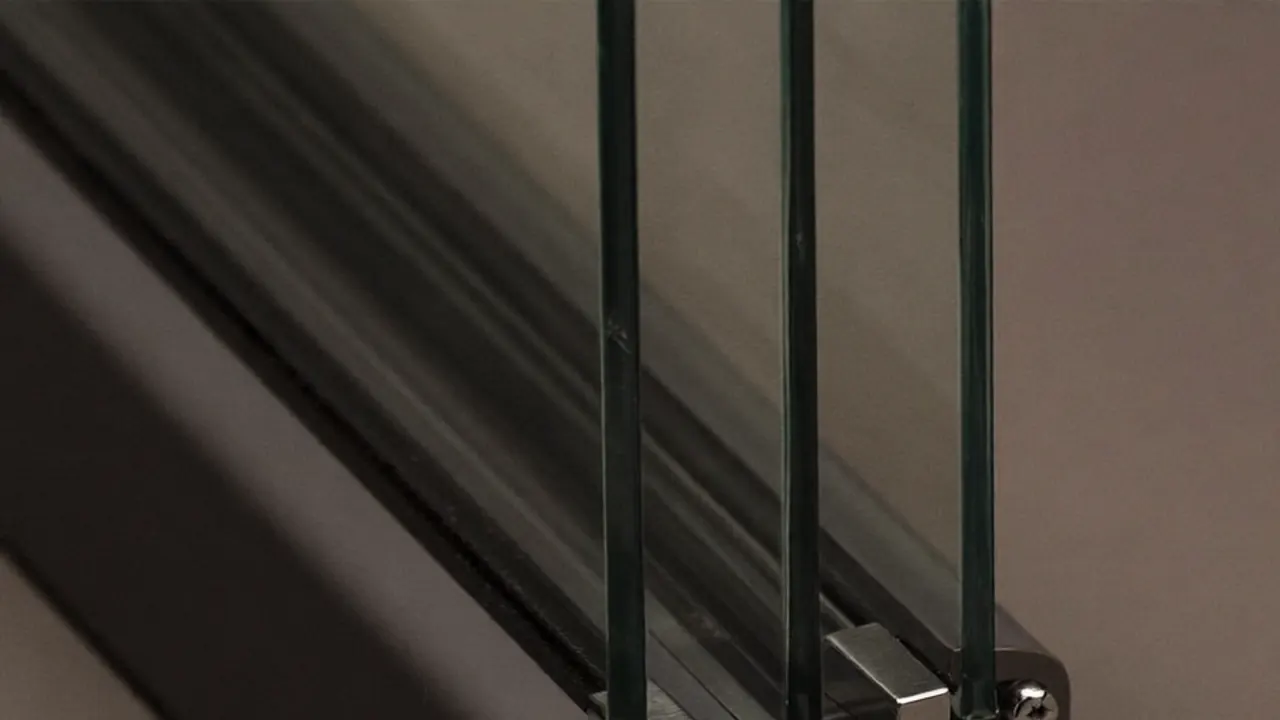
“Best” here always means “best for a specific priority”. Pick the criterion that matters most to you — warmth, slim looks, heritage suitability or lowest upkeep — and let that decide, rather than a headline brand name.
Whichever way you lean, funding and contribution options may be available, subject to eligibility and a home survey. If cost is the sticking point, it is worth exploring funded glazing options alongside your quotes.
Ready to compare real quotes?
We'll match your postcode with a vetted, top-rated installer so the numbers come from a track record, not a sales pitch.
Get my quote comparison →