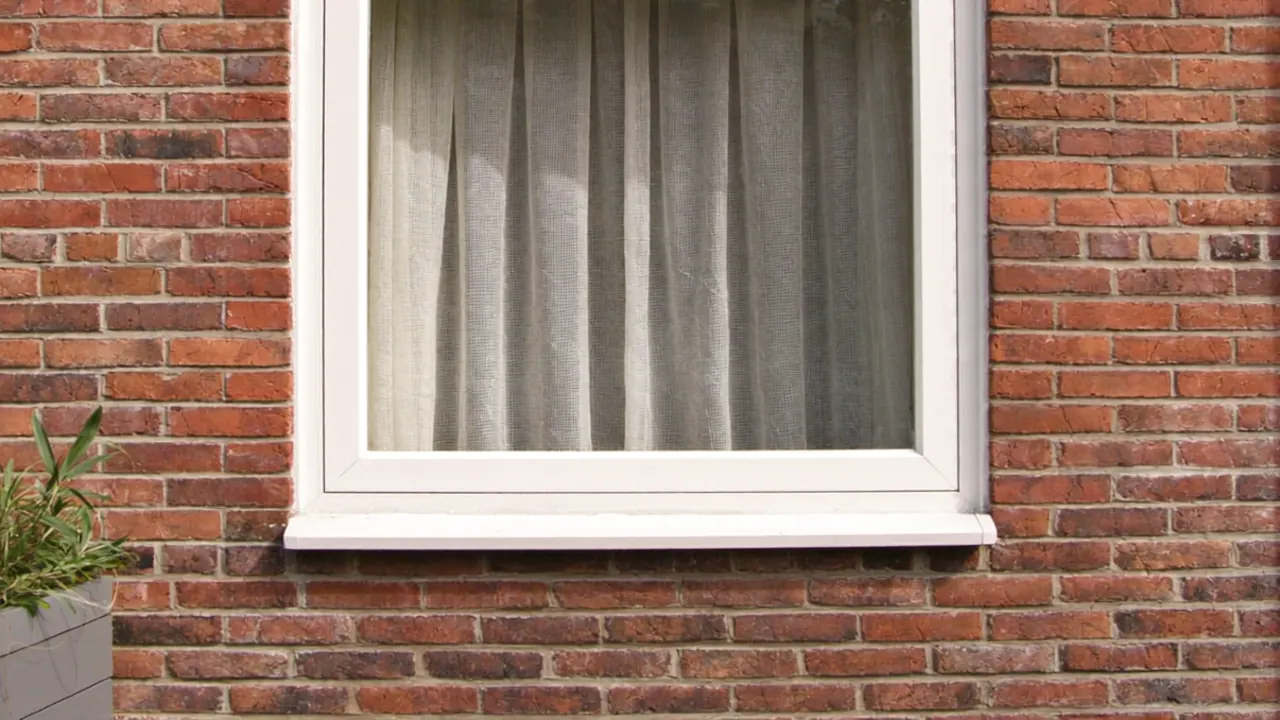
Ordinary double glazing already cuts noise a little, but it's tuned for warmth, not sound. Purpose-made acoustic units are engineered differently — and the differences are what deliver a genuinely quieter room.
How acoustic glazing works
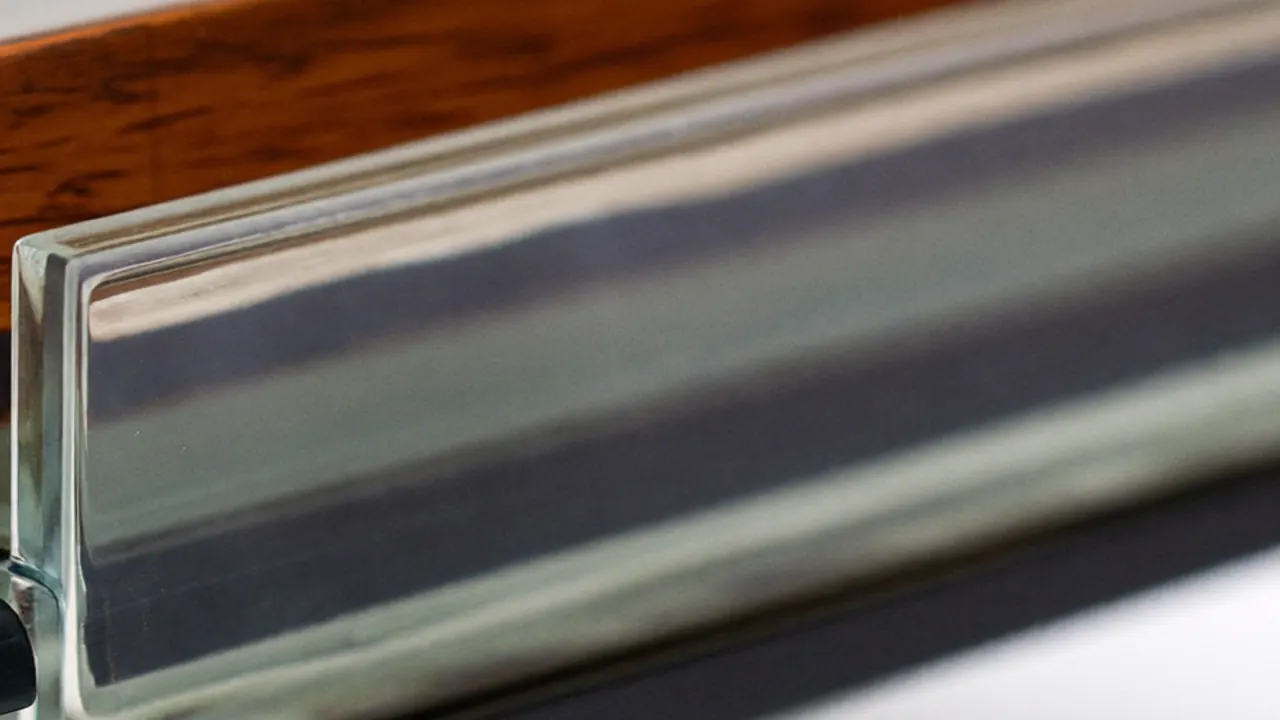
Three things make glass quieter. Thicker, asymmetric panes (for example 6mm on one side and 4mm on the other) stop the two sheets resonating at the same frequency, so they don't amplify the same sounds. A wider air gap between the panes weakens sound transfer. And an acoustic laminated pane — two sheets of glass bonded with a special interlayer — absorbs vibration and blocks a broad range of noise, which is why it's the single most effective upgrade.
Reading the dB rating
Acoustic units carry a sound-reduction figure in decibels (dB Rw): the higher the number, the more noise stopped. A standard double-glazed unit might offer around the high 20s dB, while a good acoustic unit can reach the mid-to-high 30s or more. Because decibels are logarithmic, even a handful of extra dB is a clearly audible improvement. Ask for the specific dB Rw figure of the unit you're quoted, not a vague “soundproof” claim.
Want the dB figures in your quote?
Get matched with a top-rated installer who'll specify the acoustic unit properly — so you know exactly how much quieter it will be.
Get matched with a top-rated installer →Secondary glazing — the heritage-friendly option
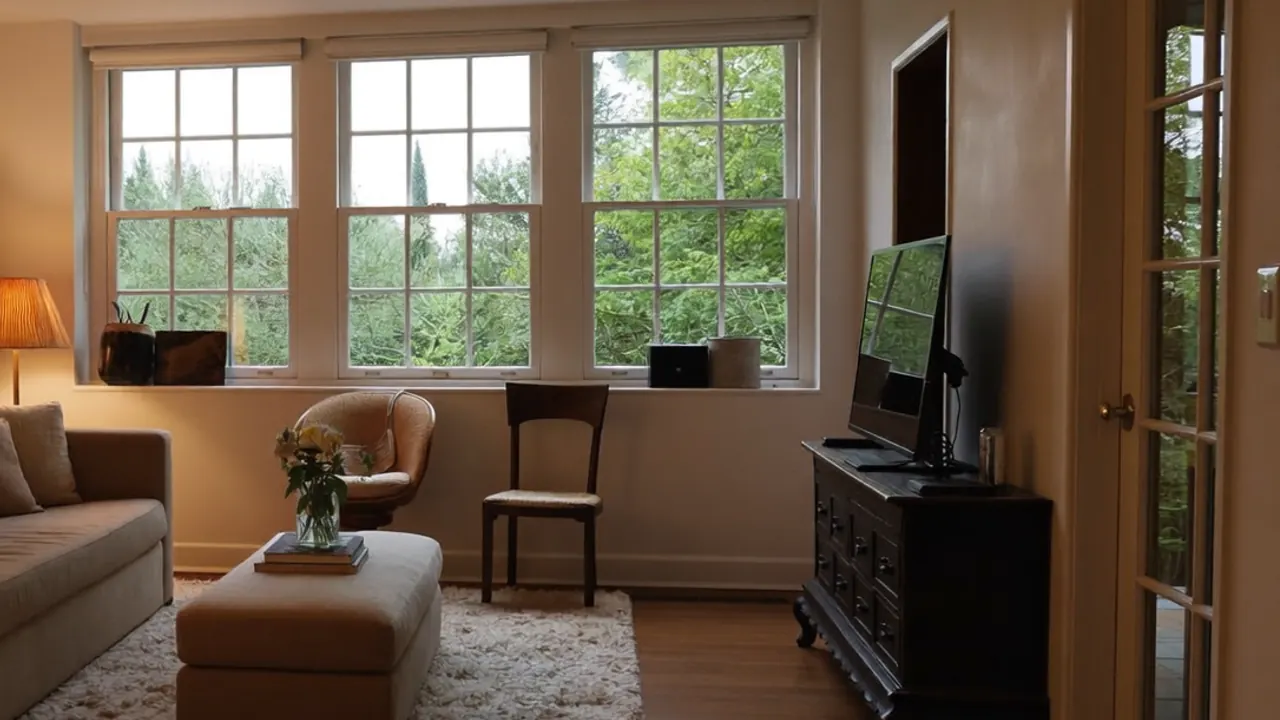
Where you can't replace the windows — a listed building, or a conservation area with strict rules — secondary glazing is often the best acoustic answer. An independent inner pane fitted behind the existing window creates a large air gap, which is excellent for cutting low-frequency traffic rumble. It also suits owners who want to keep original timber sashes; our timber windows pros and cons guide covers when to preserve rather than replace.
Don't forget the fit
The best acoustic glass is undone by gaps. Noise finds any weak point, so tight seals, good compression gaskets and a careful installation matter as much as the unit itself — which is why the installer counts. If your existing frames are otherwise sound, it's worth asking repair or replace first?, since better seals or secondary glazing can sometimes solve the problem without a full replacement.
The Best UK Windows verdict
The best noise-reducing windows combine an acoustic laminated pane, asymmetric glass thicknesses and a wide, well-sealed air gap. For heritage homes, secondary glazing is often the smartest route. Match the spec to your noise source and insist on the dB Rw figure.
Funding and contribution options may be available, subject to eligibility and a home survey, and some homeowners explore funded glazing options alongside their quotes when upgrading for comfort.
Get a quieter home
Tell us your postcode and we'll match you with a vetted installer for a free, no-obligation quote on acoustic glazing.
Get my quote comparison →